

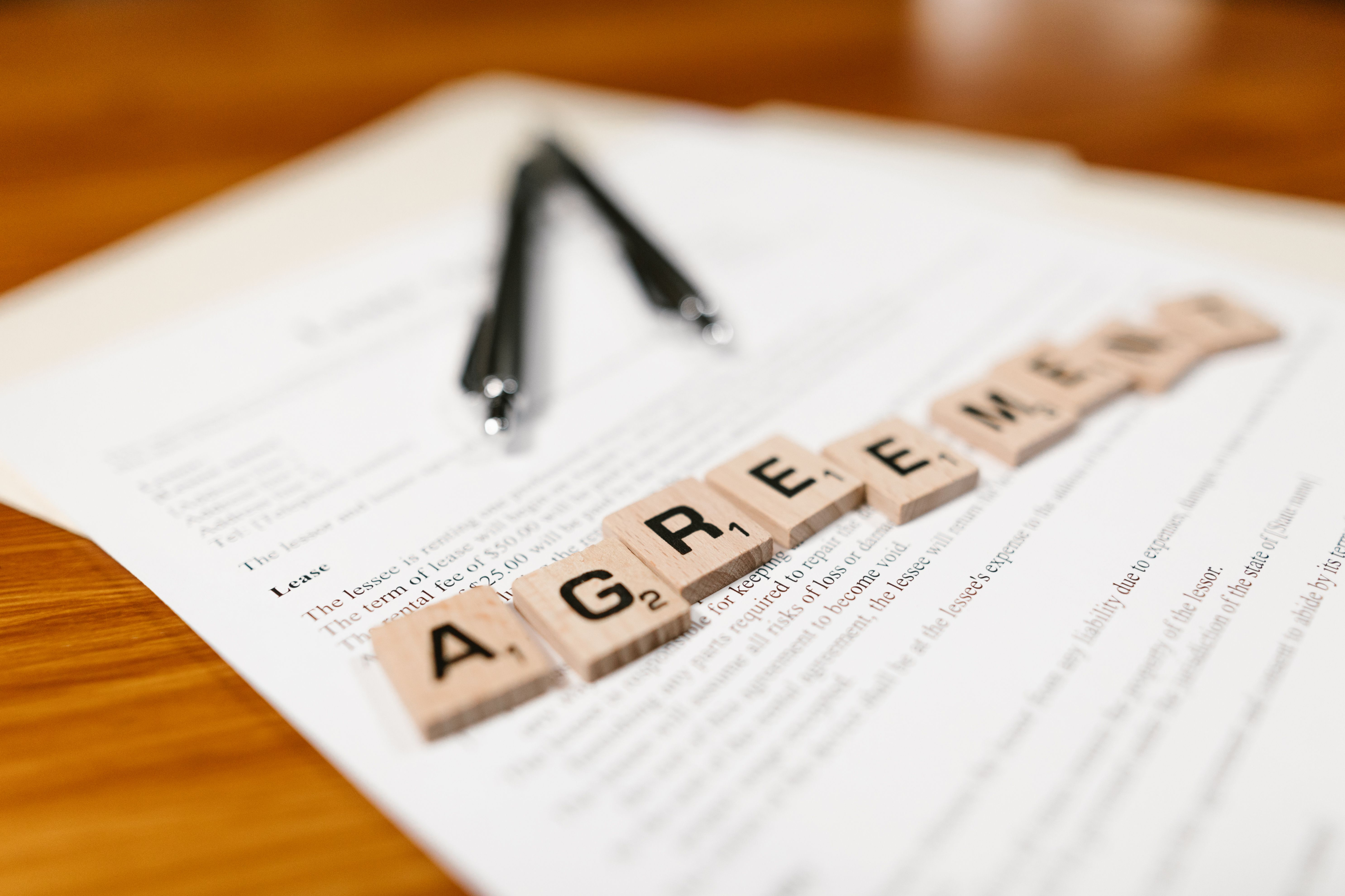
Quick Answer: What is a flexible lease? It is a rental agreement with an adjustable commitment period instead of a fixed 12 month contract. A flexible lease can run month-to-month, 3, 6, or 9 months, or a variable length you negotiate with the landlord. You gain the freedom to move on your own schedule, usually in exchange for slightly higher monthly rent.
Moving timelines rarely line up with a calendar year. If you're wondering what is a flexible lease and whether one fits your plans, this guide walks through every major lease structure renters encounter in the USA, from month-to-month renewals to lease-to-own paths. Some communities now build flexibility in from the start. The Fusion at Rye 3030 in Houston's Westchase District, for example, offers studio floor plans on 6 to 12 month and variable lease terms.
What Is a Flexible Lease?
A flexible lease is a rental agreement that does not lock you into the traditional fixed 12 month term. The commitment might be month-to-month, a short 3 or 6 month stretch, or a custom length matched to your job contract or school semester. Some flexible agreements also include early termination or transfer clauses inside an otherwise standard lease.
How Does a Lease Work in the First Place?
Start with the basics: how does a lease work? A lease is a binding contract between a lessor (the property owner) and a lessee (you). It grants you the right to occupy the home for a stated period at a stated rent, and it spells out both sides' obligations, from maintenance to notice requirements.
When the term ends, one of three things happens. The lease renews for a new term, converts to month-to-month, or ends and you move out. Which one applies depends entirely on the renewal language in your contract, so read that section twice.
Flexible Lease Terms vs. Typical Lease Terms
Typical lease terms in the USA run 12 months at a fixed rent. Flexible lease terms compress or open up that window. The tradeoff cuts both ways. You can leave sooner with proper notice, but your landlord can also adjust rent or conditions at each renewal, which arrives far more often on a short cycle. Renters who value stability usually stick with a full year. Renters in transition, think new job, home purchase in progress, or a temporary assignment, tend to come out ahead on flexibility even at a modest rent premium.
What Lease Term Options Do Renters Actually Have?
Your lease term is the single biggest lever in any rental agreement. It controls how long the home is yours, how often the rent can change, and what it costs to leave early. Five structures cover nearly every rental situation in the U.S. market, and each suits a different kind of renter.
| Lease Structure | Typical Length | Best For | Main Tradeoff |
|---|---|---|---|
| Month-to-month | Renews every 30 days | Maximum mobility, uncertain plans | Highest rent, terms can change often |
| Short term lease | 3 to 6 months | Internships, projects, gap housing | Rent premium over annual terms |
| Standard lease | 12 months | Settled renters wanting stable rent | Early exit fees can be steep |
| Lease-to-own | 1 to 3 years | Renters working toward buying | Upfront fees, purchase obligations |
| Flexible lease | 6 to 12 months plus variable | Renters who need options either way | Small premium on shorter terms |
Short Term Leasehold Arrangements
A short term leasehold is the legal right to occupy a rental for less than a full year. Six months. Three months. Sometimes a single semester. Landlords price these higher because turnover costs them money, yet for many renters the math still works. Skipping a lease-break fee, a double rent overlap, or months of paying for an empty apartment often saves more than the premium costs. As of July 2026, The Fusion at Rye 3030 pairs its 6 to 12 month and variable terms with an all-bills-paid structure, so short stays don't require setting up separate utility accounts. You can review the included community amenities to see what a single payment covers.
Lease Option vs. Lease to Own Contract Agreement
These two get confused constantly, and the difference matters. A lease option gives you the right, but not the obligation, to buy the property at a preset price before your lease ends. Walk away and you only lose the option fee. A lease to own contract agreement, often called a lease purchase, is stricter: both parties commit to the sale, and backing out can put you in breach. Research from housing policy groups published in 2025 cautions that some of these deals load renters with ownership-level costs before they hold any title, so have an attorney review either contract type before signing.
How to Read a Lease Contract for Rental Property Before You Sign
Every lease contract for rental property answers three questions: how long you're committed, what you'll pay in total, and what it costs to leave early. Find those three answers before anything else. Rent is only the headline number; fees, deposits, and penalties decide the real cost.
Tenant protections also vary widely by state. The U.S. Department of Housing and Urban Development (HUD) maintains state-by-state tenant rights resources at hud.gov, and checking your state's rules on notice periods and deposit returns takes minutes.
Common Rental Lease Terms to Review
These common rental lease terms shape your flexibility more than the lease length itself:
- Notice to vacate: how many days' written notice you must give, commonly 30 to 60
- Early termination clause: the fee or rent obligation if you leave mid-term
- Renewal language: whether the lease auto-renews, converts to month-to-month, or ends
- Rent adjustment terms: when and how the landlord can raise rent
- Transfer or sublet rules: whether you can hand the unit off if plans change
Frequently Asked Questions
1. Is a flexible lease more expensive than a standard 12 month lease?
Usually, yes. Landlords charge a premium on shorter commitments because vacancies and turnovers cost them money. The gap varies by market and season. Compare the premium against what a lease-break fee or months of double rent would cost you, and flexibility often wins for anyone facing an uncertain timeline.
2. How much notice do I need to give on a month-to-month lease?
Thirty days' written notice is the most common requirement in the USA, though some states and some leases require 60. Your lease and your state's landlord-tenant law both apply, so check each. Deliver the notice in writing, keep proof it was received, and schedule a move-out inspection for your deposit.
3. Does a lease option mean I have to buy the property?
No. A lease option gives you the choice to purchase at a preset price, not a duty. If you decide against buying, you typically forfeit only the upfront option fee. A lease purchase agreement is different: it obligates you to complete the sale, so confirm which type you're signing.
4. How can I keep my apartment lease flexible without going month-to-month?
Several middle paths keep an apartment lease flexible while avoiding month-to-month pricing:
- Choose a 6 or 9 month term instead of a full year
- Negotiate an early termination clause with a capped fee
- Ask about transfer options within the same community
- Look for properties advertising variable lease lengths
5. Do apartment communities offer flexible leases, or only private landlords?
Both do, and communities increasingly advertise it. Managed properties like The Fusion at Rye 3030 publish their flexible term ranges up front, which makes comparison shopping easier than negotiating one-off with a private owner. Ask the leasing office directly, since available terms can shift with season and unit availability.
Conclusion
So, what is a flexible lease? It's the difference between renting on the landlord's calendar and renting on yours. Match the term to your actual timeline, read the exit and renewal clauses before the rent line, and confirm your state's notice rules through HUD's tenant resources. Renters landing in Houston's Westchase District can see how 6 to 12 month and variable terms work in practice by exploring the Westchase neighborhood and directions page or scheduling a tour of The Fusion at Rye 3030.
